
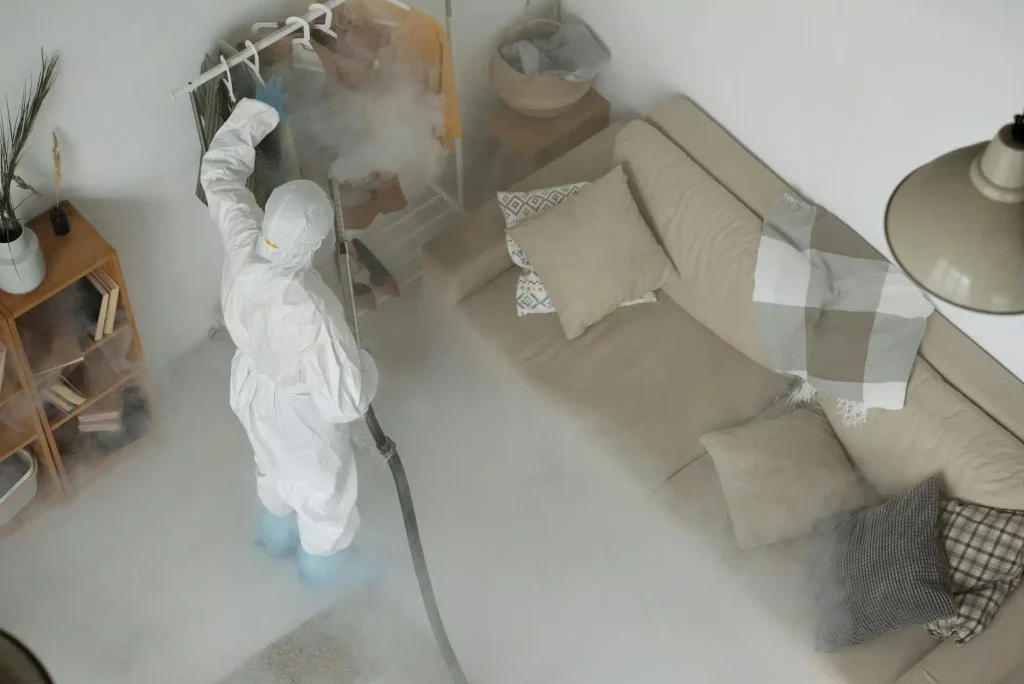
Many homeowners assume a spotless home should keep bugs away. While cleanliness helps reduce some problems, it does not remove every condition pests need to survive. Moisture, shelter, hidden food residue, clutter, and small entry gaps can still attract unwanted pests even in homes that appear very clean.
Most infestations begin because pests find one or two overlooked conditions that support them over time. Tiny crumbs beneath appliances, damp areas around sinks, gaps around doors, pet food left out overnight, or small cracks near the foundation may be enough to attract insects or rodents indoors.
Understanding what attracts pests to a clean house helps homeowners focus on the hidden conditions that routine cleaning may not fully address.
Key Takeaways About Hidden Pest Attractants
- Even clean homes can attract pests when moisture, food residue, or shelter remain available.
- Tiny cracks around doors, windows, plumbing, and foundations allow bugs and rodents indoors.
- Cluttered storage areas, pet food, standing water, and outdoor debris often contribute to infestations.
- Long-term pest control works best when homeowners address both attractants and entry points.
Why Pests Still Enter Clean Homes
Most pests are not looking for dirt. They are looking for food, water, shelter, and safe places to hide. A clean home may still provide those resources in ways that are easy to overlook.
Hidden Food Residue Around the Home
Even small amounts of food can support pest activity indoors. Crumbs beneath appliances, grease buildup near stoves, spills inside cabinets, and food particles trapped in floor edges may attract ants, cockroaches, pantry pests, and other bugs.
According to Mississippi State University Extension, food residue inside cracks and crevices often supports insect activity in areas homeowners rarely inspect closely.
Moisture Around Sinks and Plumbing
Many pests are strongly attracted to moisture. Damp areas beneath sinks, plumbing leaks, condensation near pipes, humid crawlspaces, and standing water around the home can all create favorable conditions indoors.
Cockroaches, silverfish, ants, and rodents often settle near moisture because they need reliable water sources to survive.
Shelter and Clutter Indoors
Storage boxes, paper piles, cluttered closets, and packed garage corners provide protected hiding spots where bugs and rodents can stay undisturbed.
Even organized clutter can create sheltered spaces that make it easier for pests to settle indoors without being noticed right away.
Common Entry Points Pests Use
Clean homes still develop small openings that allow pests indoors. Once insects or rodents find a reliable entry point, they often continue using the same path repeatedly.
Tiny Cracks Around Foundations and Doors
Small gaps around foundations, siding, windows, doors, and utility lines are some of the most common pest entry areas.
Ants, spiders, cockroaches, and even rodents can enter through surprisingly small openings around the structure.
Openings Around Pipes and Utility Lines
Plumbing penetrations, cable lines, dryer vents, and utility openings often leave narrow gaps around walls and floors.
These hidden openings allow bugs and rodents to move inside while staying protected from outdoor weather conditions.
Gaps Near Attics and Crawlspaces
Attics and crawlspaces often contain vents, damaged screens, loose insulation, or structural gaps that allow pests indoors.
Rodents, spiders, and other pests commonly move through these quieter areas before spreading into the rest of the house.
Outdoor Conditions That Attract Pests
Many infestations begin outside before pests ever move indoors. Conditions around the property often play a major role in why activity develops.
Standing Water and Moisture Problems
Leaking hoses, clogged gutters, poor drainage, and standing water near the foundation create conditions that attract many pests.
According to Texas A&M AgriLife Extension, reducing outdoor moisture sources is an important part of limiting pest pressure around homes.
Trash, Yard Debris, and Outdoor Clutter
Trash bins, leaf piles, stacked wood, cardboard, and outdoor debris provide shelter for bugs, rodents, and other pests near the structure.
Once pests establish themselves close to the home, it becomes easier for them to move indoors through nearby entry points.
Pet Food and Bird Seed Outdoors
Pet food bowls, bird seed, and outdoor feeding stations attract many pests, including ants, rodents, cockroaches, and wildlife.
Keeping food sources sealed and cleaning feeding areas regularly can help reduce activity around the property.
Why Pest Problems Continue in Clean Homes
Many homeowners focus only on visible bugs instead of the conditions supporting them. That is one reason infestations sometimes continue even after repeated cleaning.
Food Sources Hidden in Hard-to-Reach Areas
Food particles often collect beneath appliances, inside pantry corners, under furniture, and along floor edges where normal cleaning may miss them.
Even trace amounts of grease, sugar, crumbs, or spilled pet food can continue attracting bugs over time.
Unsealed Cracks and Crevices
Cracks around walls, floors, cabinets, windows, and plumbing lines create hidden travel routes and shelter for pests.
Sealing these gaps helps reduce the protected spaces insects rely on while also helping deter future infestations.
Conditions That Support Rodents and Other Pests
Rodents, cockroaches, ants, spiders, and many other pests look for safe shelter as much as food. Warm storage areas, cluttered garages, damp basements, and attic spaces often provide ideal hiding conditions.
That is why a clean home can still experience recurring pest problems if larger structural or environmental conditions remain unchanged.
How to Make a Clean Home Less Attractive to Pests
Long-term prevention usually works best when homeowners focus on reducing attractants, limiting shelter, and blocking pest access points together.
- Seal cracks around doors, windows, foundations, and plumbing lines.
- Store food in sealed containers and clean crumbs promptly.
- Fix leaks and reduce excess moisture around sinks and crawlspaces.
- Keep trash containers covered and clean regularly.
- Reduce clutter in garages, closets, attics, and storage rooms.
- Trim vegetation and remove yard debris near the foundation.
- Store pet food and bird seed in sealed containers.
Reducing Food and Water Sources
Food and moisture are two of the biggest reasons pests remain indoors. Cleaning beneath appliances, wiping down floors, repairing leaks, and emptying standing water can help reduce what attracts bugs into the home.
Kansas State University Extension recommends removing hidden food residue and sealing potential entry areas as part of long-term pest prevention.
Sealing Entry Points Around the Structure
Blocking gaps around foundations, utility lines, vents, siding, and doors helps limit how easily pests move indoors.
Even tiny cracks can become regular travel routes for ants, cockroaches, spiders, and rodents once activity begins.
Reducing Clutter and Shelter Areas
Reducing clutter removes many of the hidden spaces pests use for shelter. Organized storage, fewer cardboard boxes, and regular cleaning around quiet areas can make the home less appealing overall.
This also helps homeowners spot signs of pest activity earlier before infestations spread further.
Professional Pest Control for Clean Homes
When pests keep returning despite regular cleaning, the issue often involves hidden attractants, entry points, or outdoor conditions that have not been addressed fully.
GreenShield Home & Pest Solutions provides inspections and pest control services designed to identify the conditions supporting pest activity around the home. Inspections focus on entry points, moisture problems, hidden food sources, and outdoor areas that may be attracting bugs or rodents closer to the structure.
Treatment plans may also include exclusion work, targeted treatments, and recommendations that help homeowners reduce conditions supporting recurring infestations.
If pests continue appearing in your home despite regular cleaning, you can schedule an inspection to identify contributing conditions and discuss treatment options.
Bottom Line on What Attracts Pests to a Clean House
A clean home can still attract pests when moisture, shelter, food residue, and small entry gaps remain available. Most infestations develop because pests find hidden conditions that support them over time, even when surfaces appear spotless.
Reducing clutter, sealing entry points, controlling moisture, and addressing outdoor conditions can all help lower the chances of recurring infestations.
If bugs or rodents keep returning despite cleaning efforts, a professional inspection can help uncover the hidden factors attracting pests indoors.
Frequently Asked Questions
Why do I still have bugs if my house is clean?
Bugs are often attracted to moisture, shelter, and hidden food residue rather than visible dirt. Tiny crumbs, damp areas, clutter, and small entry gaps can all support pest activity indoors.
Can rodents enter a clean home?
Yes. Rodents enter homes looking for warmth, shelter, water, and food. Even clean homes may still provide access through small openings around foundations, vents, or utility lines.
Do pests hide in cluttered storage areas?
Yes. Storage boxes, cardboard, paper piles, and cluttered garages or basements create sheltered hiding areas where pests can remain undisturbed.
Does sealing cracks really help prevent pests?
Yes. Sealing cracks and gaps around the structure helps block many of the entry routes insects and rodents use to move indoors.
“`
