
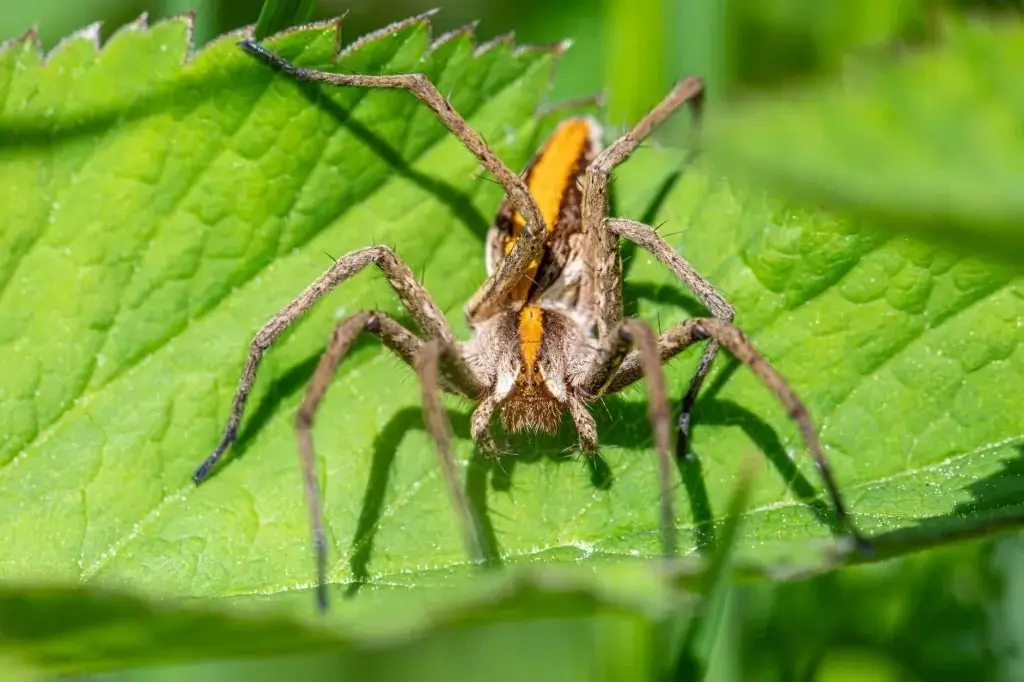
Seeing a spider in a corner, garage, or storage room can make you pause, especially when you are not sure what kind it is. Many Virginia spiders are nuisance pests, but a few deserve a closer look. Around Richmond, the right next step starts with noticing where activity shows up, what the spider looks like, and whether sightings keep returning.
Key Takeaways About Virginia Spiders
- Virginia spiders around Richmond homes can vary in appearance, behavior, and where they settle.
- Brown recluse spiders and black widow spiders deserve more caution because identification and location matter.
- Recurring webs, egg sacs, and repeated sightings in the same area can point to active conditions rather than one stray spider.
- GreenShield’s spider pest control starts with inspection, so treatment is based on the species, entry points, and conditions found.
Common Spider Species Around Richmond Homes
Not every spider around your home calls for the same response. The most helpful clues are usually color, markings, size, and the places where webs or sightings keep showing up.
Southern House Spiders
Southern house spiders tend to favor dark, undisturbed storage areas such as garages, closets, and rarely used corners. Some household spiders are tan with dark brown longitudinal stripes on the back, a detail noted by Mississippi State University Extension. In a Richmond home, that type of marking can help separate a house spider from a more concerning brown spider.
Wolf Spiders
Wolf spiders can cause confusion because some have a black mark that looks similar to markings found on other spiders. The mark is often diamond-shaped with one flare at the center. If you spot a fast-moving spider in a garage or storage space, that body marking can help narrow down what you are seeing.
Bold Jumping Spiders
Bold jumping spiders are usually easier to recognize than many other spiders because they are black and white and about half an inch long. Their smaller size and bold markings help separate them from larger spiders that create more concern. They still deserve identification before you decide what to do next.
Joro Spiders
Joro spiders are most noticeable outdoors when webs and egg sacs collect around leaves, walls, tree bark, siding, or nearby structures. Their egg sacs can contain hundreds of eggs, so repeated sacs around outdoor fixtures can become a visible nuisance. Around Richmond properties, that kind of activity is usually easier to spot than indoor movement.
Virginia Spiders That Deserve Caution
Some spiders in Virginia need more careful identification because a quick glance can be misleading. Brown coloring, dark markings, or web location alone are not enough to confirm the species.
Brown Recluse Spiders
Brown recluse spiders are the species many homeowners worry about, but many harmless spiders are mistaken for them. The brown recluse has six eyes arranged in three pairs, unlike most spiders with eight eyes, and may hide by day before roaming at night. The University of California Agriculture and Natural Resources describes the brown recluse as common in the Midwest, so Virginia homeowners should confirm the spider before reacting.
Black Widow Spiders
Black widow spiders are less common indoors than brown recluse spiders, but they deserve caution around sheltered, low-traffic areas. Kansas State University Extension notes that limiting outdoor debris helps reduce habitat for black widows. Woodpiles, stacked boxes, and seldom-moved yard items near the home can create dark cover close to entry points.
How to Identify Concerning Spider Activity
Spider activity becomes easier to understand when you look for patterns instead of reacting to one sighting. The location, frequency, and nearby conditions often say more than the spider itself.
Track Webs in Corners and Eaves
Webbing is often the first visible sign. Indoors, check ceiling lines, corners, and light fixtures where small flying insects may gather. Outdoors, look under porch ceilings, deck railings, and overhangs. Webs that reappear soon after removal suggest spiders are finding food or shelter nearby.
Notice Repeated Live Sightings
One spider in a bathroom or garage is usually less concerning than repeated sightings in the same room. If you keep finding live spiders in living spaces, write down where they appear and what markings you notice. That pattern can help a technician identify the source of activity.
Look for Egg Sacs and Shed Skins
Egg sacs tucked into web material can point to ongoing spider activity rather than a single stray spider. Shed skins in corners, storage spaces, or undisturbed areas can mean spiders have been present for a while. Clusters on exterior walls or outdoor fixtures are worth a closer look.
Check Storage Areas and Entry Points
Garages, sheds, closets, and rarely moved storage items give spiders places to settle. Gaps around doors, window edges, utility openings, crawl-space screens, and garage door weatherstripping can also allow movement inside. Checking those areas helps connect indoor sightings to exterior conditions.
Schedule a Richmond, VA Spider Inspection
When spider activity keeps showing up, the goal is not just to clear webs. GreenShield Home & Pest Solutions looks for the reason activity keeps returning, including entry points, shelter, and insect activity that gives spiders a food source. That root-cause approach fits Richmond homes where garages, sheds, and storage rooms often connect indoor and outdoor activity.
Suspected brown recluse activity is one reason to act sooner. Texas A&M AgriLife Extension notes that household brown recluse infestations can be difficult to manage and may need more than one method. A trained inspection helps match the response to what is actually present.
GreenShield technicians complete 80 hours of training before working and receive weekly and monthly training after that. Your technician spends time on inspection, explains what was found, and uses products and materials based on the species and conditions present. If you are concerned about Virginia spiders, schedule a Richmond spider inspection with GreenShield Home & Pest Solutions.
Frequently Asked Questions About Virginia Spiders
Are most Virginia spiders dangerous?
Most spiders around homes are nuisance pests, not major property threats. A few species deserve closer identification, especially when sightings repeat or the spider looks like a brown recluse or black widow.
What attracts spiders indoors?
Spiders come indoors when they find shelter and prey. Dark storage areas, clutter, gaps around doors or windows, and other insect activity can make rooms, garages, and sheds more inviting.
How can I tell what kind of spider I found?
Note the body color, markings, size, web location, and where you found it. Eye arrangement can matter for brown recluse spiders, but identification is easy to get wrong without a trained look.
When should I call for spider pest control?
Call when webs return quickly, egg sacs collect outside, or you keep seeing spiders in living spaces. A professional inspection can identify the species, entry points, and conditions behind the activity.
